Europe's livestock and fish farms run on imported protein, mainly soybean meal, and according to the ProFEED project 96% of it is imported every year. That leaves supply exposed and carries an environmental cost.
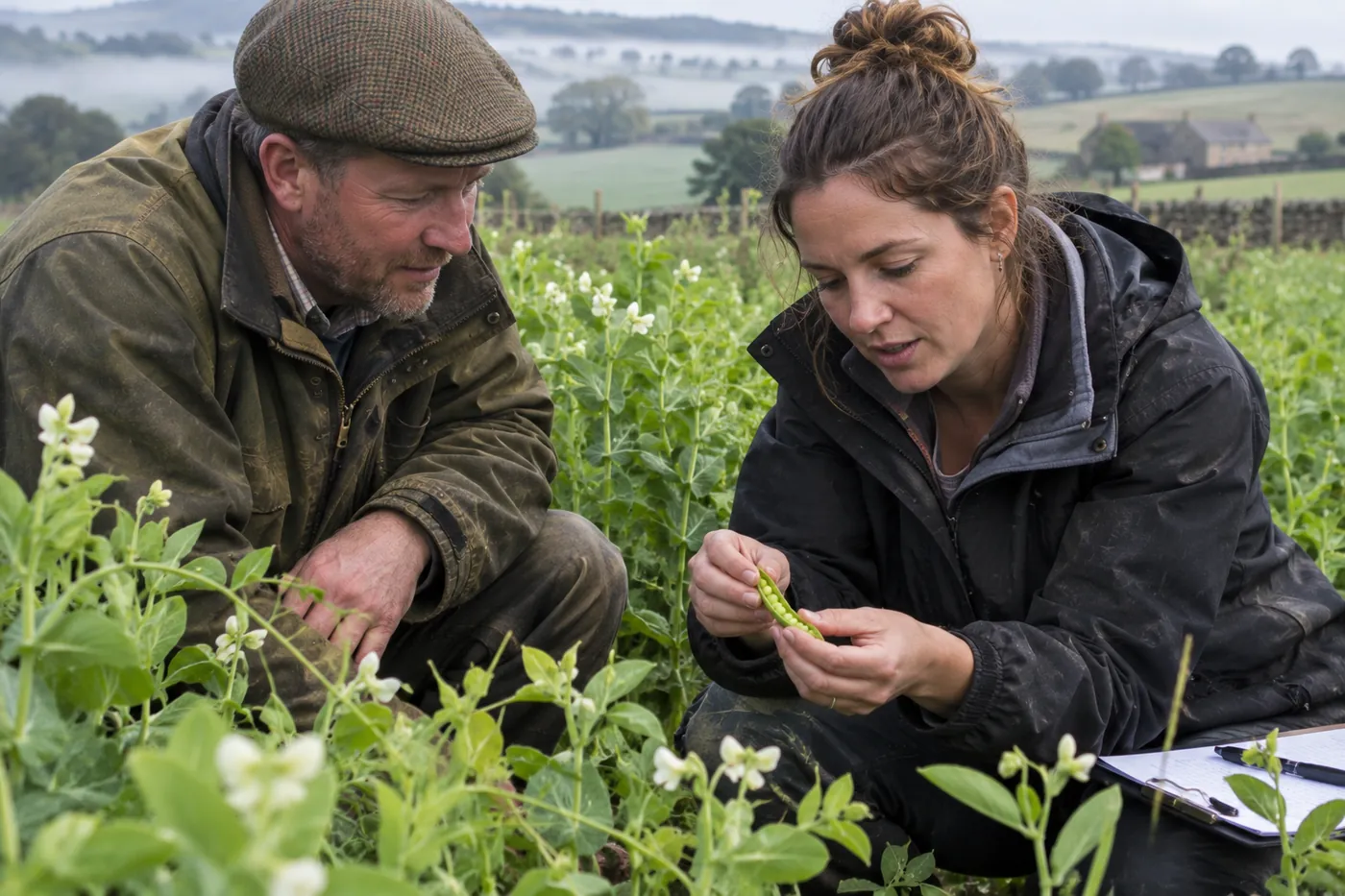
ProFEED, coordinated by the University of Leeds with 15 partners in eight countries, aims to grow more of that protein in Europe. Growth chambers will screen more than 130 varieties of soybean, lupin and alfalfa under today's climate and future climate scenarios, to find the hardiest, highest-protein plants. The best will go into field trials at sites across Europe, with 40 farmers and 10 "lighthouse" farms taking part.
New feeds will be tested on pigs, broiler chickens, laying hens, gilthead seabream and Atlantic salmon. The project says its validated feed formulations could cut dependence on soybean meal by up to 30%.
Everything will be gathered in an open-access digital platform and a multilingual online course for farmers, advisers, industry and policymakers.
ProFEED · Led by University of Leeds · EU funding €5.5m
Written by Seminal from the project's public summary on CORDIS. Claims the project makes about itself are attributed. Spotted something wrong? Email hello@seminalimpact.com.